What We Learned at Future of Energy Conference 2026
1 September 2026 · Clean Energy
Read14 July 2026 · 6 min read
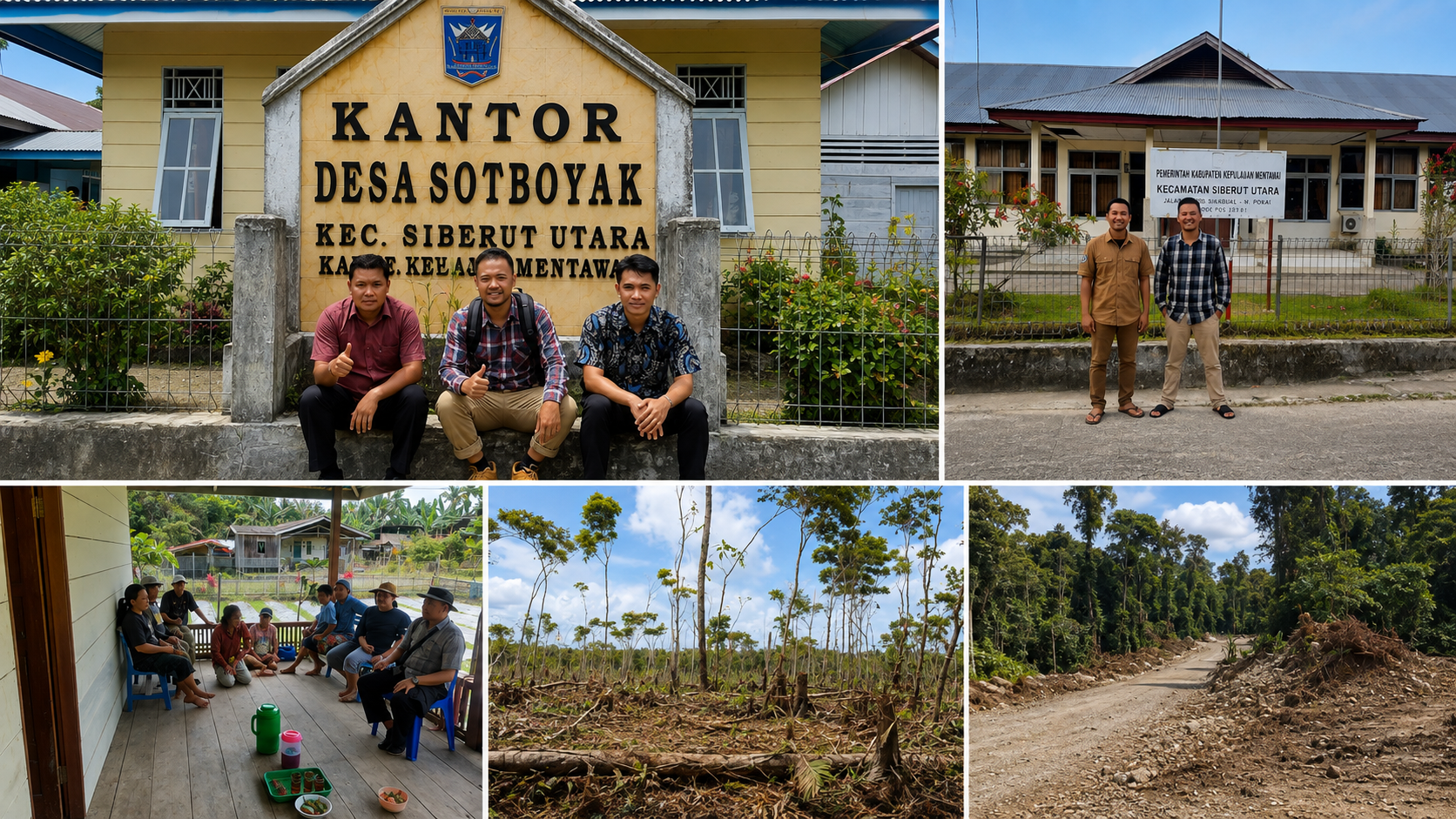
The Siberut Island conservation project covers 19,875 hectares of tropical rainforest in Indonesia. The work brings forest conservation, biodiversity protection, community livelihoods and carbon finance into one long-term project, developed with the people who live within the landscape.
On Siberut, that means working with Mentawai communities rather than treating conservation as something imposed around them. It also means building the local systems needed to keep the forest protected over the long term.
Siberut is the largest of Indonesia's Mentawai Islands. Much of its interior remains covered by tropical forest, forming part of a landscape recognised internationally for its ecological importance.
The island is part of the Siberut Biosphere Reserve under the United Nations Educational, Scientific and Cultural Organization (UNESCO). Its forests support rich biodiversity, including species found only in the Mentawai Islands.
Protecting this landscape means addressing the pressures that can gradually convert or degrade standing forest. The project takes a landscape approach. Forest protection sits at the centre, supported by satellite monitoring, field observations, community participation and livelihood activities designed to reduce pressure on the forest.
Keeping a forest landscape of this scale standing requires more than drawing a project boundary.
Satellite monitoring has been used to understand forest cover, identify land-use change and track areas where pressure on the forest is emerging. This gives the project a landscape-level view that can be combined with information collected on the ground.
Field observations add the local context that satellite data alone cannot provide. Community and village-level engagement also helps us understand how land is being used, where pressures exist and how conservation activities interact with local livelihoods.
Together, these activities create the practical system behind the project: monitor the forest, identify changes early and work locally to address the pressures behind them.
For Mentawai communities, the forest is not simply an area to be conserved. It is closely connected to livelihoods and a longstanding relationship with the island.
That makes local participation necessary for effective conservation. Free, Prior and Informed Consent (FPIC) provides a framework for communities to understand proposed activities and participate in decisions that affect their land, resources and livelihoods.
Community and village-level engagement creates space to discuss land use, conservation activities and local priorities. It also gives the project a better understanding of how forest protection affects the people living within the landscape.
The aim is not to separate people from the forest to protect it. It is to make local knowledge, community priorities and forest conservation work within the same system.
Forest conservation becomes harder to sustain when protecting the forest comes at the expense of the people living around it.
The project therefore looks at livelihoods alongside forest protection. Community engagement helps identify how households depend on the surrounding landscape and where livelihood activities can reduce pressure on standing forest.
This includes supporting productive use of already-used land rather than continued expansion into forest areas, alongside opportunities connected to conservation and local forest management.
Benefit sharing is part of the same approach. It connects the long-term value created by conservation with the communities that help protect and manage the landscape.
The principle is simple. A forest is more likely to remain protected when the people living with it have a meaningful role and a reason to keep it standing.
Local implementation is essential for a project spread across a large and complex island landscape.
PT Biomass Andalan Energi supports the local implementation of the Siberut project alongside Sustainology. Its local presence connects project planning with communities, village-level stakeholders and conditions on the ground.
This local coordination supports community engagement and the practical implementation of conservation activities. Sustainology supports the carbon and climate strategy, technical project development, satellite-based monitoring and the systems needed to translate forest conservation into measurable climate outcomes.
Together, these roles connect local implementation with the technical requirements of developing a long-term forest conservation and carbon project.
A standing forest stores carbon in its trees and other biomass. When forest is cleared or degraded, part of that stored carbon is released and the landscape's capacity to hold carbon declines.
The Siberut project connects forest conservation with a carbon pathway based on measuring the climate impact of keeping forest standing. That starts with establishing a baseline and understanding how forest cover and carbon stocks change over time.
Satellite data provides a consistent way to monitor forest cover across the project area and identify changes over time. Field measurements provide information about forest conditions and carbon stocks on the ground. Combining the two gives us a stronger picture of what is happening across the landscape.
Carbon accounting also considers what happens beyond the project boundary and whether protected carbon remains stored. These are known as leakage and reversal risks, and accounting for them is an important part of forest carbon project development.
Carbon finance can then support the work behind the climate outcome: monitoring the forest, implementing conservation activities, supporting local participation and maintaining protection over the long term.
Carbon is only one part of the value of keeping Siberut's forests standing.
Conservation protects habitat and maintains the connected forest landscapes that wildlife depends on. This is particularly important on an island where some species occur nowhere else.
Healthy forests also protect soil, regulate water and maintain ecological systems that extend well beyond the carbon stored in trees.
For local communities, conservation can create a stronger role in how the landscape is managed while connecting forest protection with livelihoods and long-term local benefits.
These outcomes reinforce each other. Forest protection creates the climate benefit. Biodiversity gives the landscape much of its ecological importance. Local participation helps make that protection viable over time.
Long-term forest conservation depends on what happens after a project has been designed.
The forest has to be monitored. Changes have to be identified early. Local livelihoods have to work alongside conservation. Communities need a continuing role, and the carbon system has to measure what is actually happening across the landscape.
That is the model behind the Siberut project: protecting 19,875 hectares not simply as a carbon asset, but as a living forest with ecological, climate and local value.
The work continues by strengthening the systems around that forest — satellite and field monitoring, local participation and conservation on the ground — so that protection can endure over the long term.
Keep reading
1 September 2026 · Clean Energy
Read
10 August 2026 · Clean Energy
Read
5 August 2026 · Carbon Removal
Read