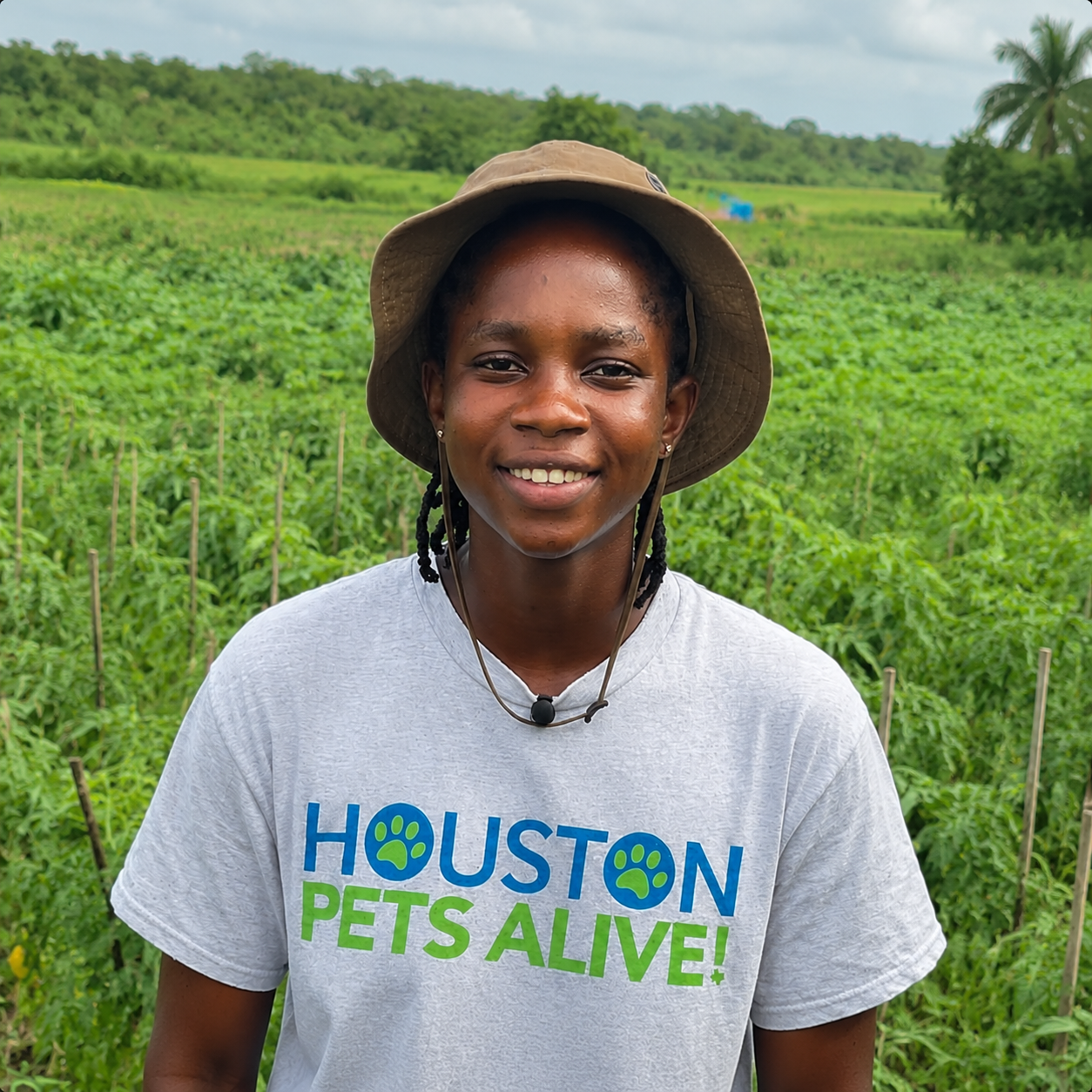
Smallholder farmland at golden hourHero — on-ground human footage: farmer in field / biogas flame, full-bleed.
Our mission

We make sustainable agriculture and clean energy profitable for smallholder farmers,

using circular on-farm climate technologies that deliver traceable carbon reductions and removals at scale.

Who we are

Sustainology builds farmer-first circular ecosystems

We put the farmer at the centre and close the loop around them.

A smallholder farmer, the centre of Sustainology's loop
Farmer
Why now

Climate change is real, and we are running out of time.

The IPCC is clear: we have to cut emissions by 43% by 2030 — and even that isn't enough. We also have to pull carbon back out of the air.

Both, within this decade.

Energy and Agriculture are the two biggest sources of pollution.

The two sectors that drive most of the world's emissions are the two we work to fix.

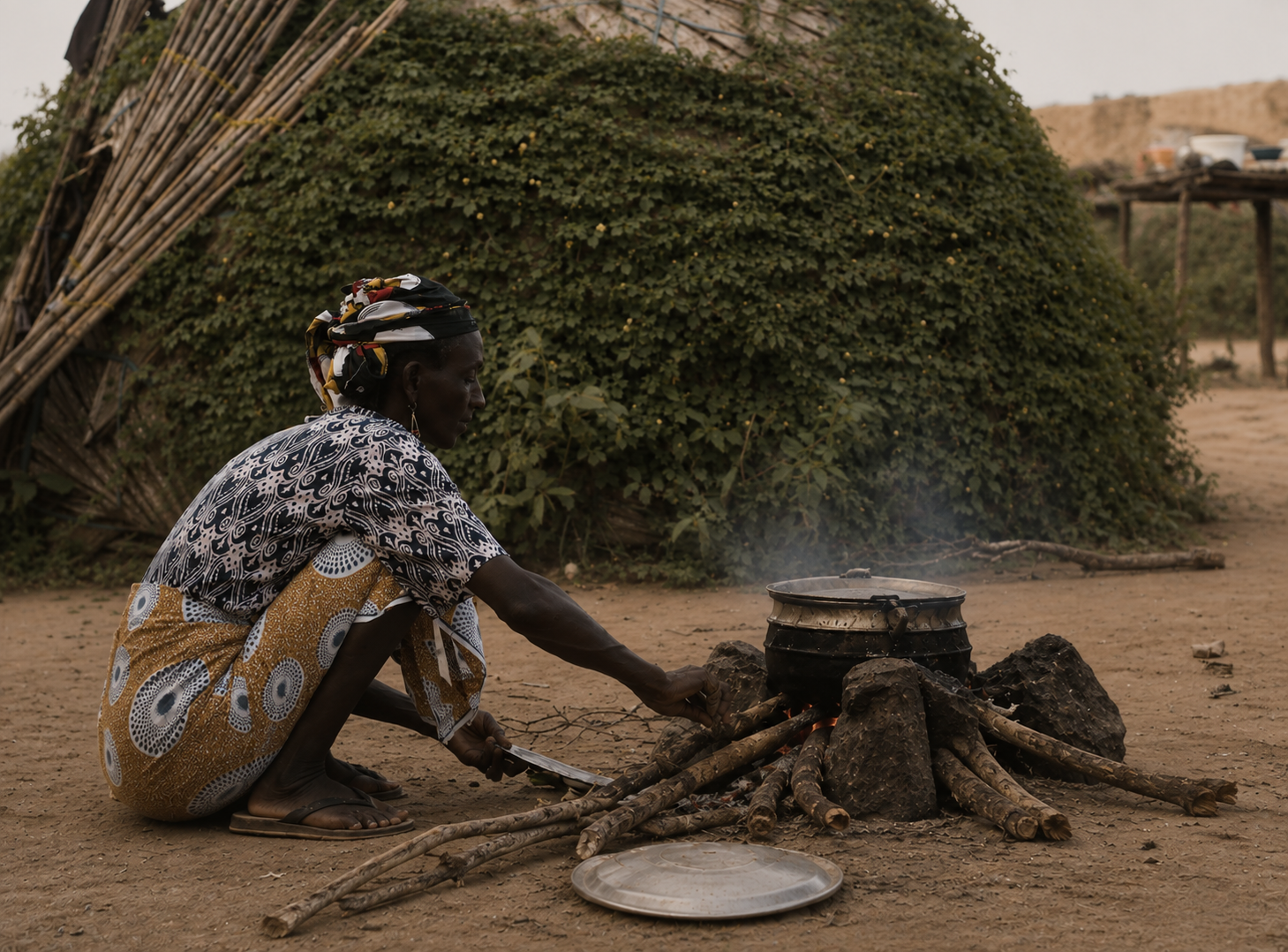
Why Now / Energy — smoke from a wood/charcoal cooking fire in a kitchen.
Energy
2.6billion

people still cooking over wood and charcoal

7million

deaths a year from smoke and air pollution

1billion tonnes

CO₂ from cooking fires alone, every year

The same smoke that fills the kitchen warms the planet — and it falls hardest on women and children.

Why Now / Farming — degraded, cracked, lifeless soil washing off the field.
Farming
~30%

of the carbon we emit is soaked up by healthy soil

40%

of the world's land is already degraded

4.4billion tonnes

CO₂ released every year as that soil dies

Decades of intensive farming and chemical fertiliser have left the soil dead — stripped of life and its organic layer.

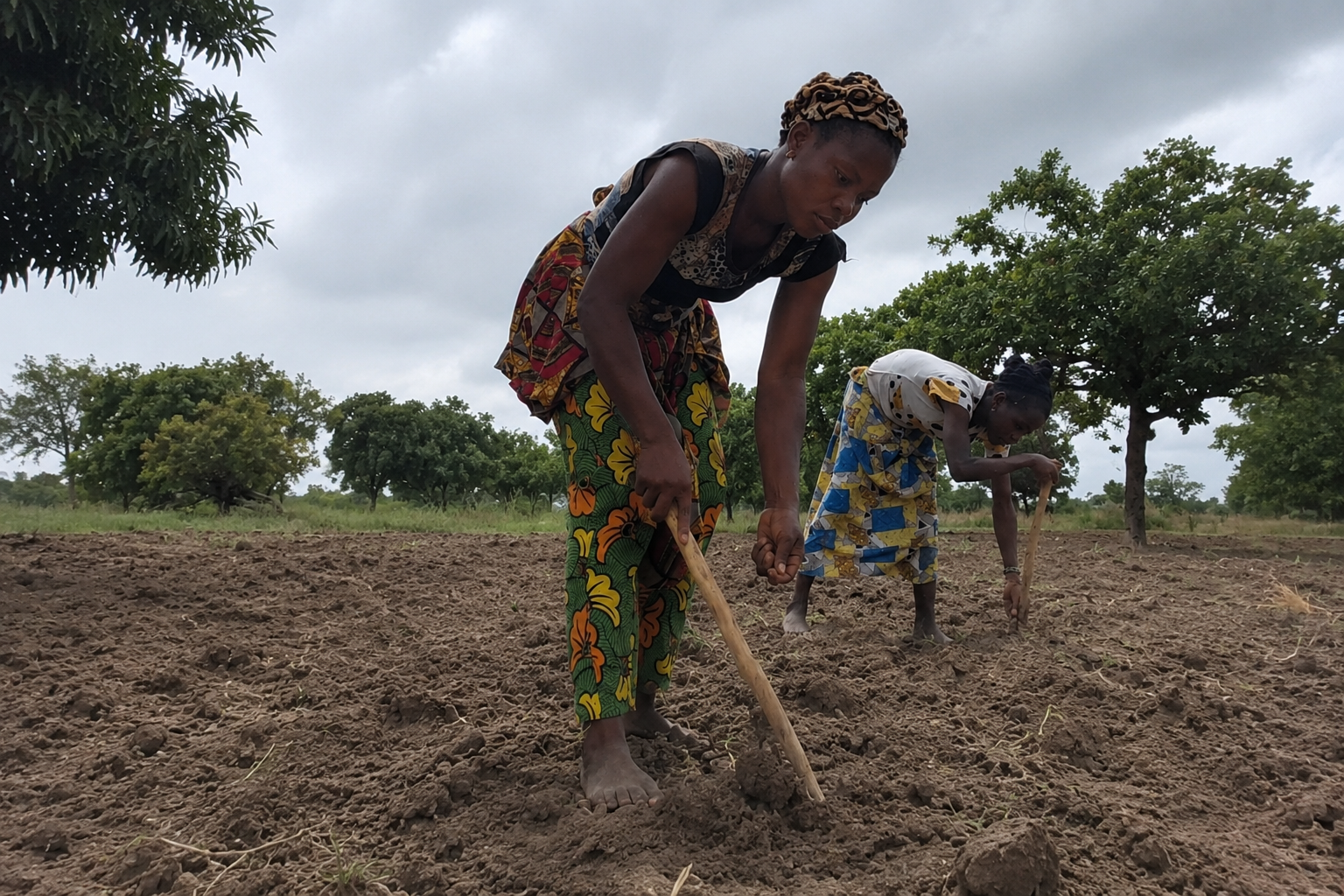
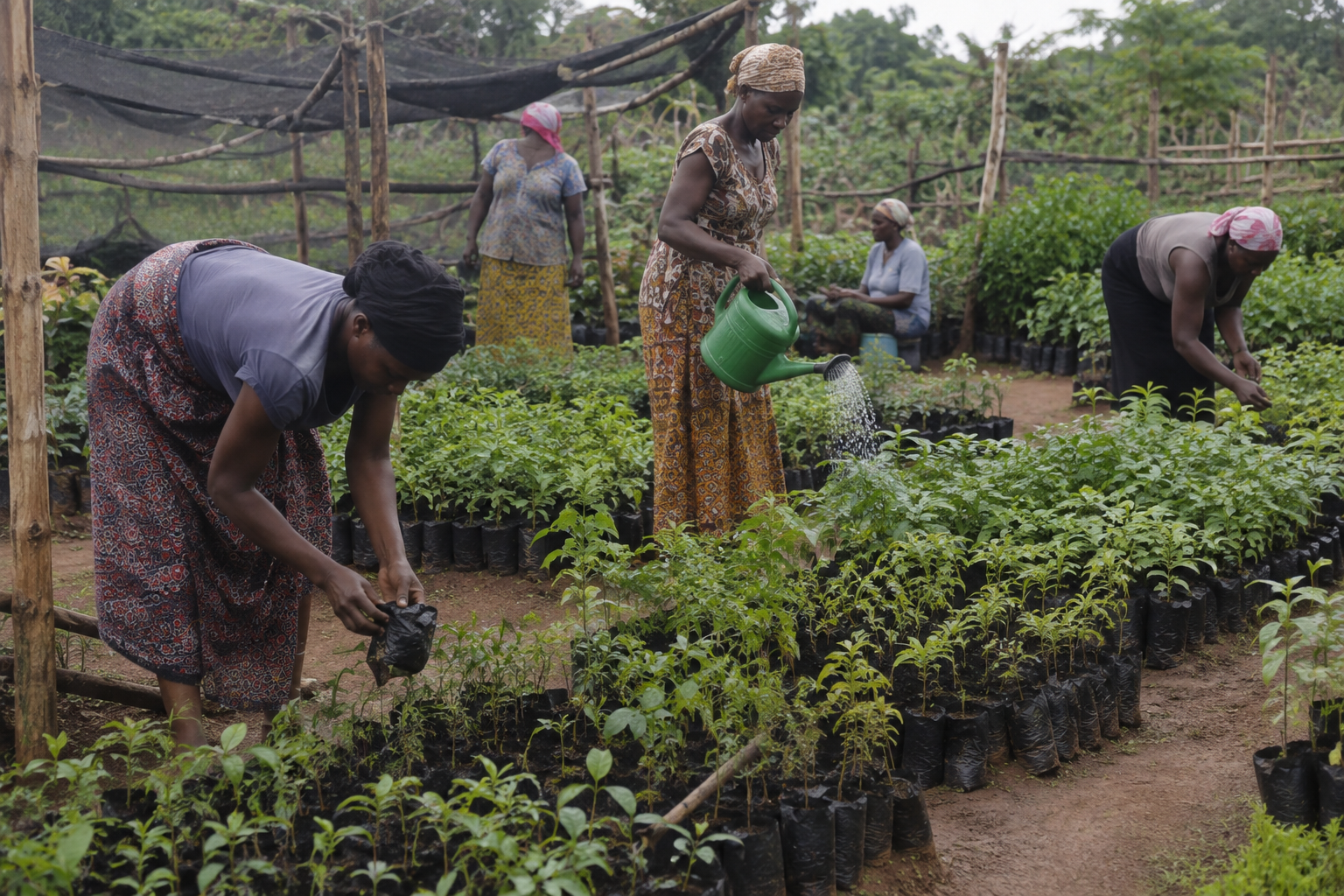
Statement break — Ghana community / smallholder farmers, full-bleed.

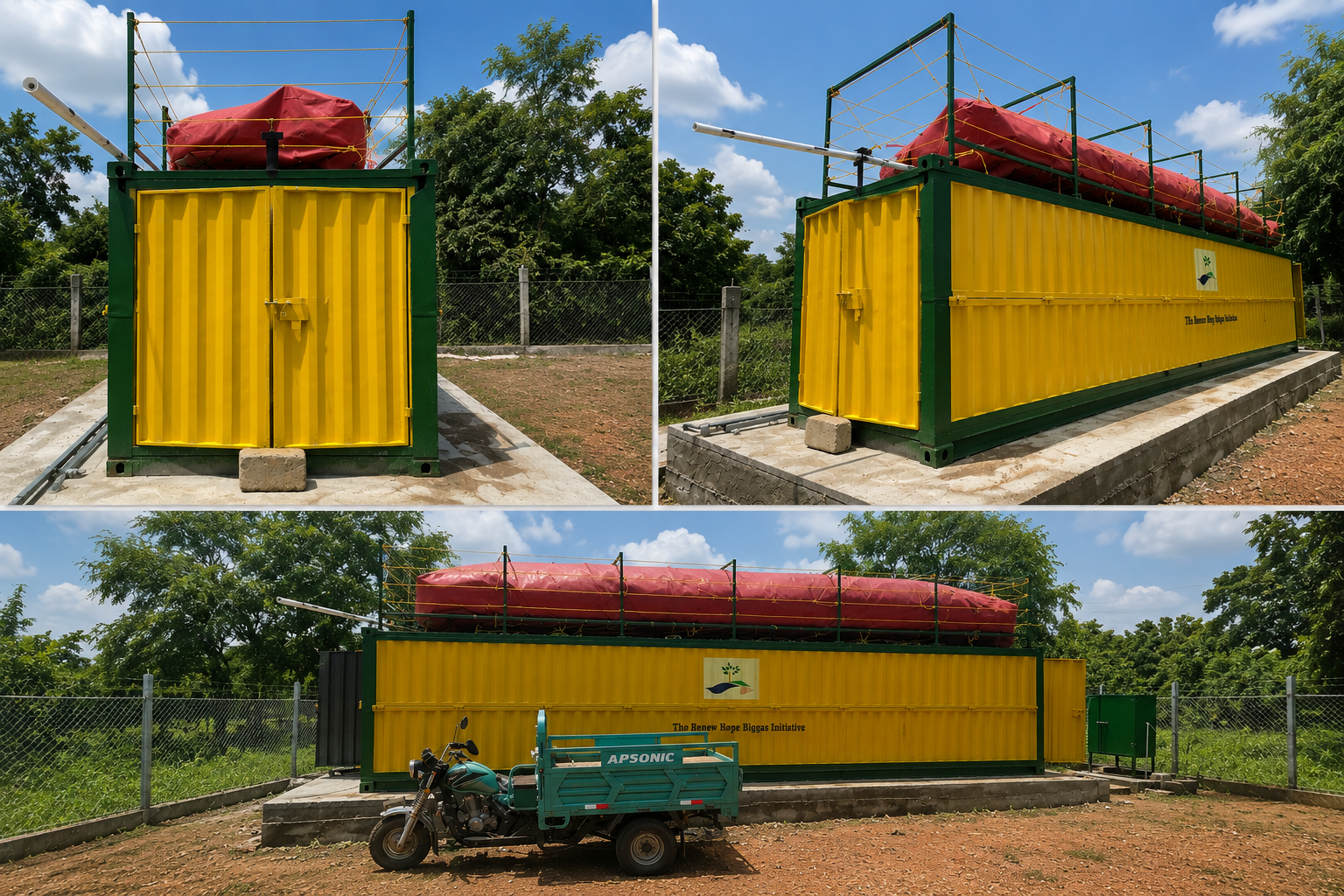
Statement break — dMRV / field monitoring; interim: digester site.

How we work

Our approach

Sustainology combines satellite technology, AI, and on-ground operations to permanently reduce and remove pollutants.

Through innovative climate-smart technologies, we deliver clean energy access and sustainable agriculture practices to smallholder farmers in the world's most underserved communities.

How we work

Three pillars, one closed loop.

Pillar 01 — clean cooking: biogas flame replacing a wood fire.
01Circular Infrastructure for Clean Cooking

Farm waste turned into clean cooking fuel.

The waste a farm produces isn't a problem to clear. It's the fuel and the fertility the farm runs on.

  • Farm waste → clean biogas + a nutrient-rich farm input.
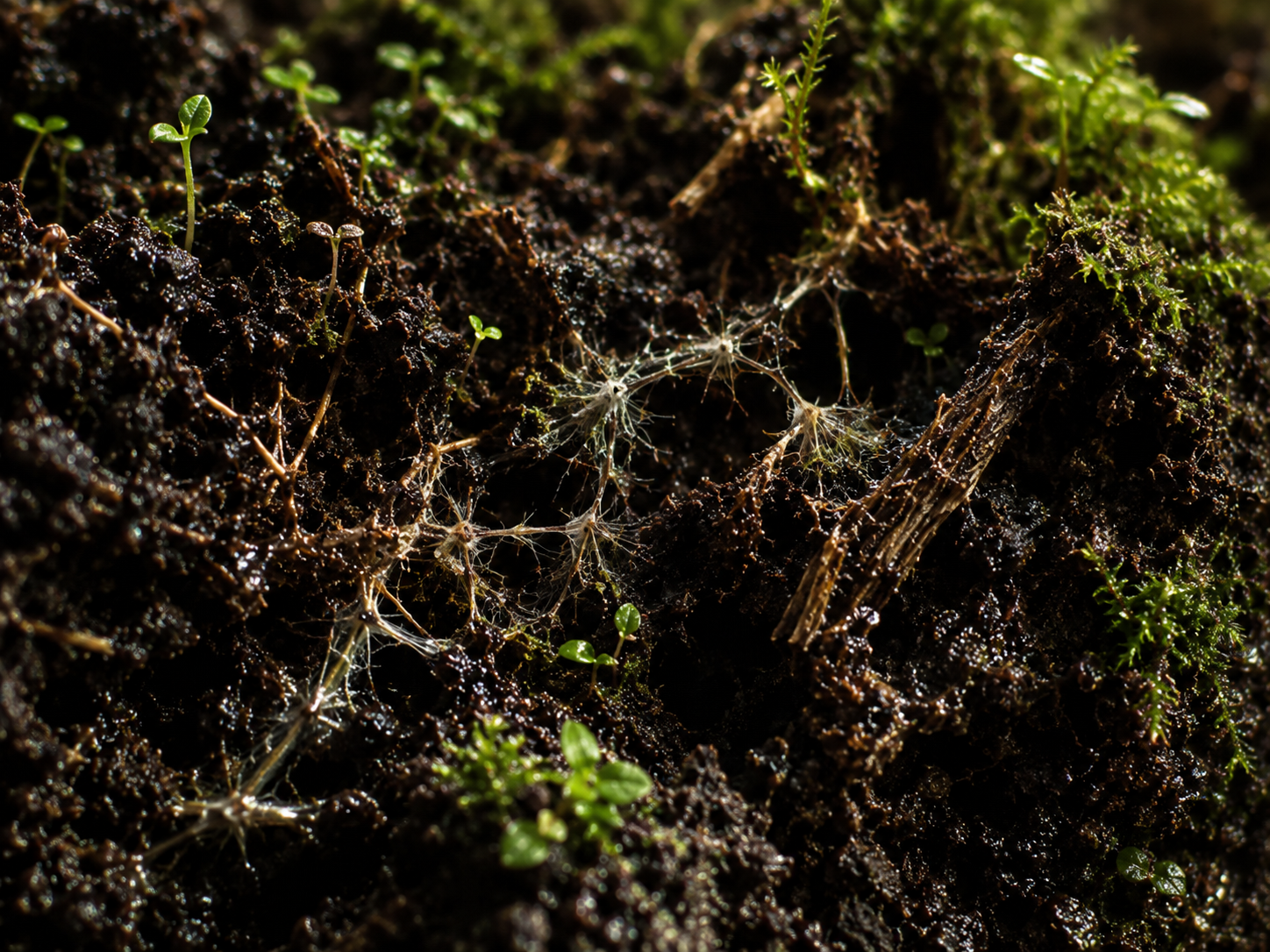
Pillar 02 — living soil: hands in earth, native microbes going back to the field.
02Planet-Friendly Inputs

Living microbes, drawn from native soil, that bring dead ground back to life.

We culture nutrient-rich microorganisms from indigenous soils in our lab and make them heat-resistant — built for the conditions the soil actually faces. Put back into the field, they unlock the nutrients already locked in the soil.

  • Native — cultured from indigenous soils.
  • Heat-resistant — built for the conditions the soil faces.
  • Unlocking — releases the nutrients already locked in the soil.
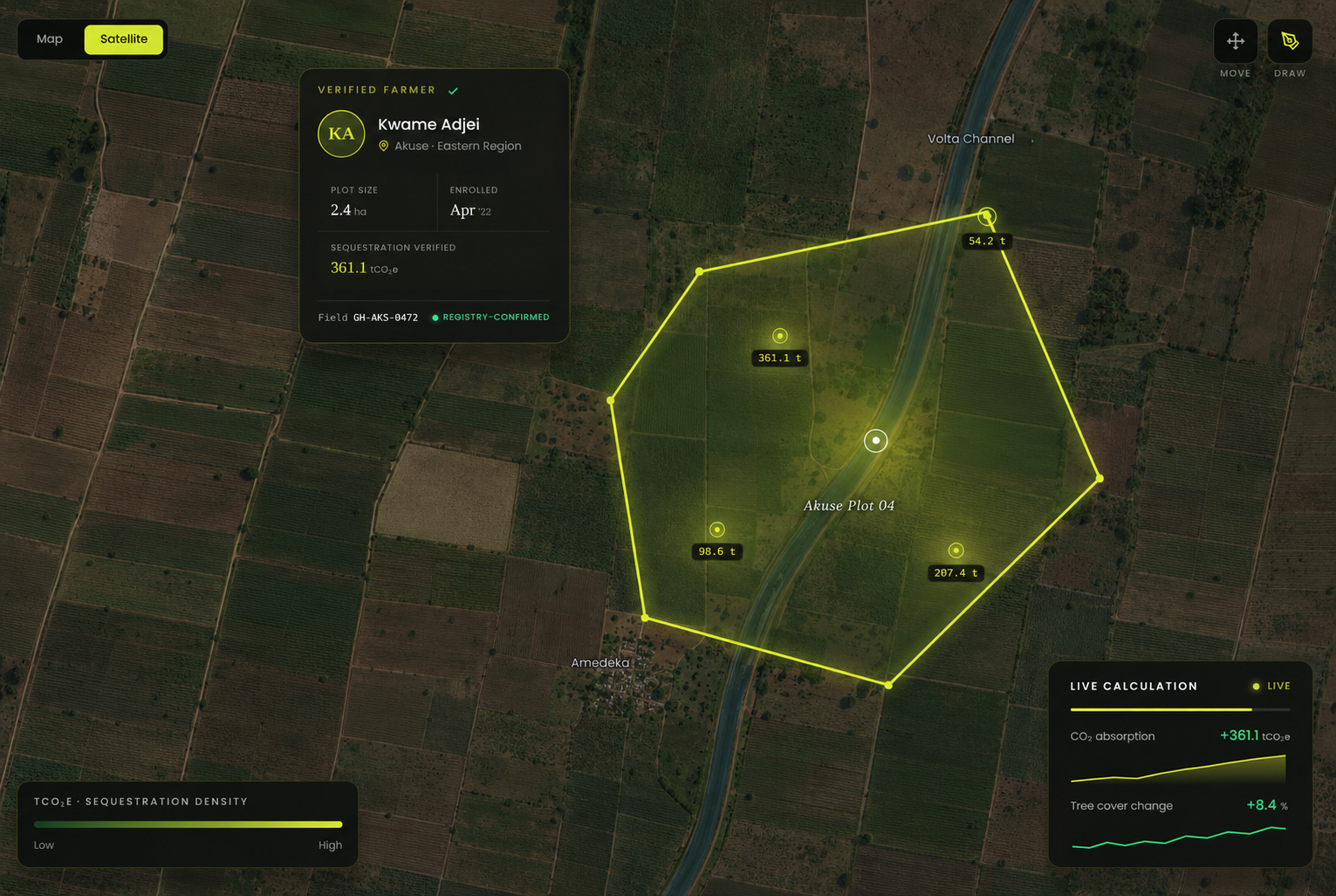
FieldRegistry
03Monitoring, Verified

A tonne only counts if it can be proven.

dMRV makes every outcome we report real, measurable, and trusted — the only kind of carbon finance that reaches the farmer.

  • Satellite — reads every field, not a sample.
  • Ground data — field-level records that ground-truth the data.
  • One record — every reduction and removal traced from field to registry.
< 16%

of carbon credits worldwide reflect real reductions.